



After several years of rapid growth and post-pandemic surges, 2025 marked a year of stabilization for Utah’s national parks.
Overall visitation across the state’s five national parks remained strong, with most parks holding steady or posting modest gains. However, one park stood apart from the rest — not because of lack of interest, but because of how access and infrastructure shaped visitor behavior.
Here’s a clearer look at what happened in 2025, park by park, and how those trends are shaping the way travelers will experience Utah’s parks in 2026.
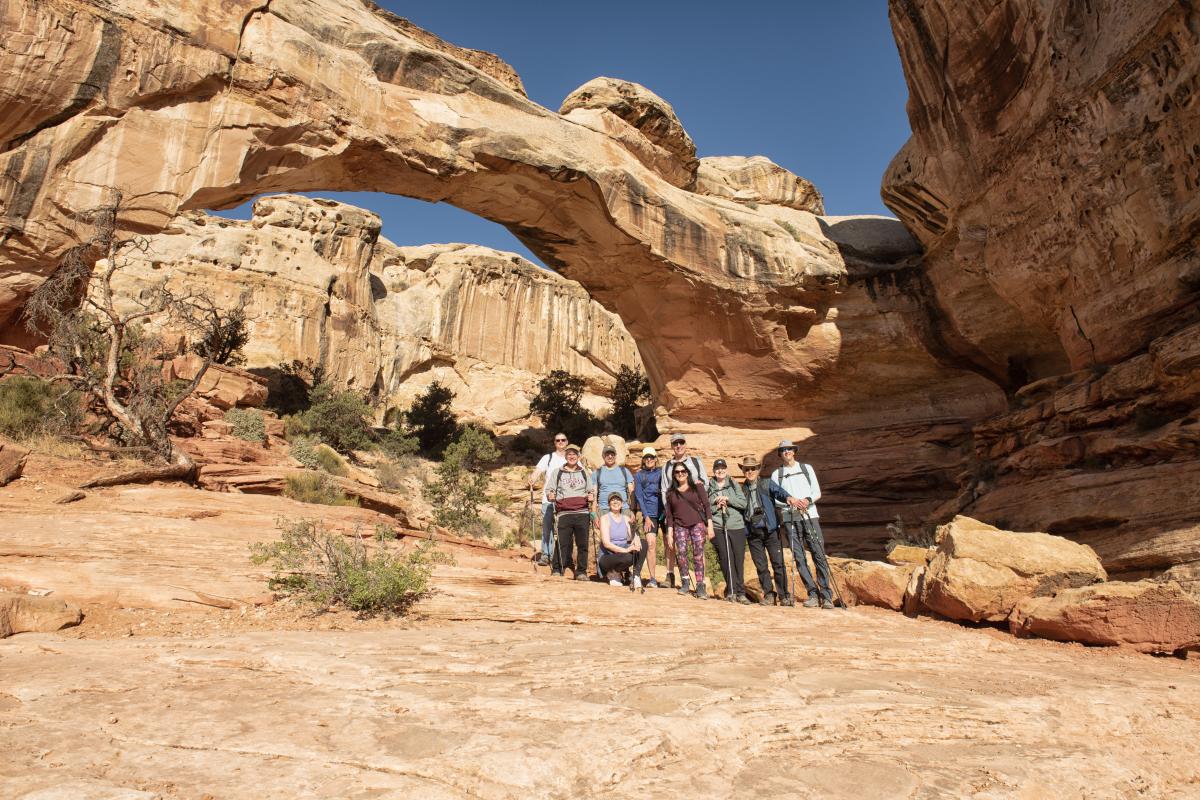
Hickman's Bridge | Capitol Reef National Park
Utah’s National Parks in 2025: A Closer Look at the Numbers
While overall visitation across Utah’s national parks remained steady in 2025, the story becomes clearer when you look at each park individually. Some parks benefited from improved visitor management and strong demand, while others felt the effects of changing travel habits and trip-planning priorities.
Zion National Park: High Demand, Heavily Managed
Zion National Park once again led the state in overall visitation in 2025 with 4.9 million visitors. Demand remained consistently high throughout the year, particularly during spring, summer, and fall.
What stood out in 2025 wasn’t a surge in visitors, but how those visitors moved through the park. Zion’s shuttle system, ongoing vehicle restrictions, and increasing congestion during peak hours shaped the guest experience more than raw visitation numbers.
Many travelers adjusted by:
-
Planning earlier arrival times
-
Relying more heavily on shuttles
-
Choosing guided or pre-arranged transportation rather than self-driving
Zion’s popularity didn’t decline — instead, the margin for error got smaller. Travelers who arrived without a plan often faced delays, while those with structured itineraries experienced smoother days inside the park.
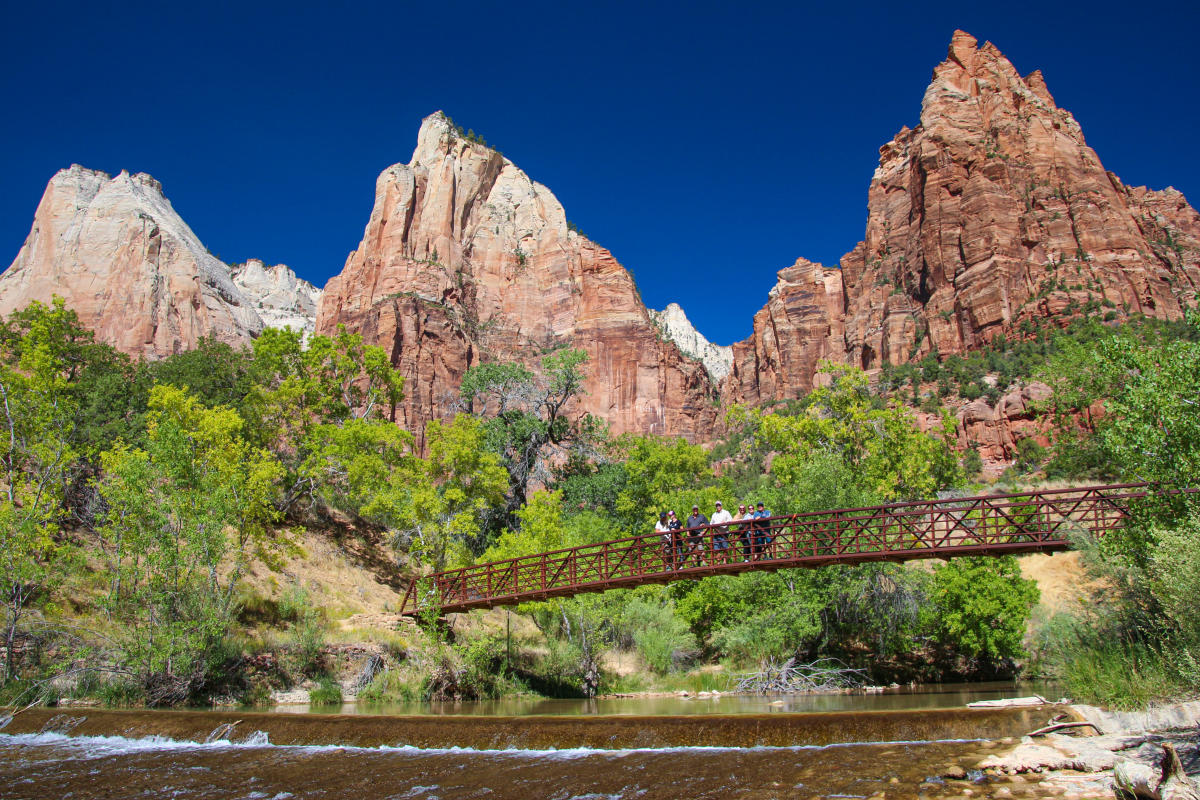 Court of the Patriarchs | Zion National Park
Bryce Canyon National Park: Steady Growth Through Smart Timing
Bryce Canyon continued to perform well in 2025, maintaining steady visitation while avoiding the extreme congestion seen in some lower-elevation parks.
Its higher elevation and cooler temperatures made Bryce especially appealing during the summer months, while sunrise and sunset viewpoints remained major draws year-round. Many visitors intentionally paired Bryce with Zion, using Bryce as a quieter counterbalance to Zion’s intensity.
Bryce benefited from:
-
Shorter visit windows that fit well into multi-park itineraries
-
Strong shoulder-season travel
-
Easier navigation compared to larger, more complex parks
For many travelers in 2025, Bryce Canyon offered a sense of breathing room — iconic scenery without the same level of logistical friction.
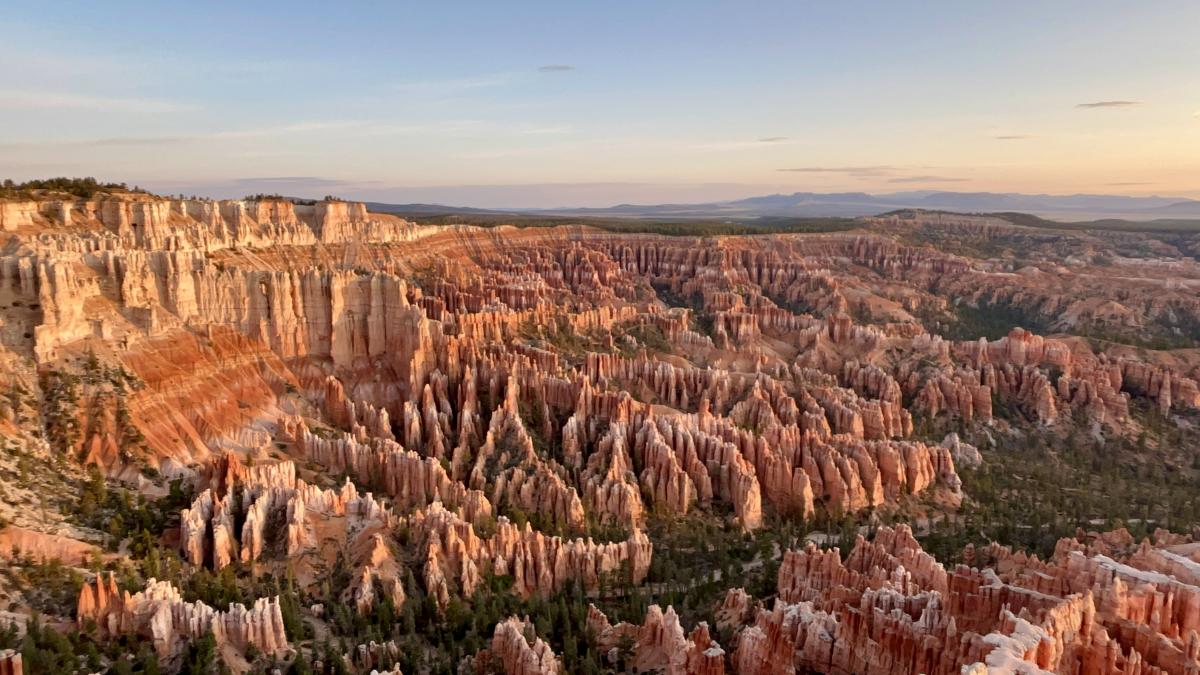 Bryce Canyon Amphitheater
Arches National Park: Regulated Access, Consistent Interest
Arches National Park continued operating under its timed-entry reservation system in 2025, and the results showed in how visitation played out.
While total visitor numbers remained strong, traffic was more evenly distributed across the day and season. The reservation system discouraged spontaneous visits but rewarded travelers who planned ahead.
This led to:
-
Fewer severe congestion bottlenecks
-
More predictable entry patterns
-
A smoother experience inside the park once visitors arrived
Importantly, Arches did not lose appeal — it simply became a park that required intention. Visitors who planned ahead enjoyed a noticeably better experience than those trying to fit Arches into an already-packed itinerary at the last minute.
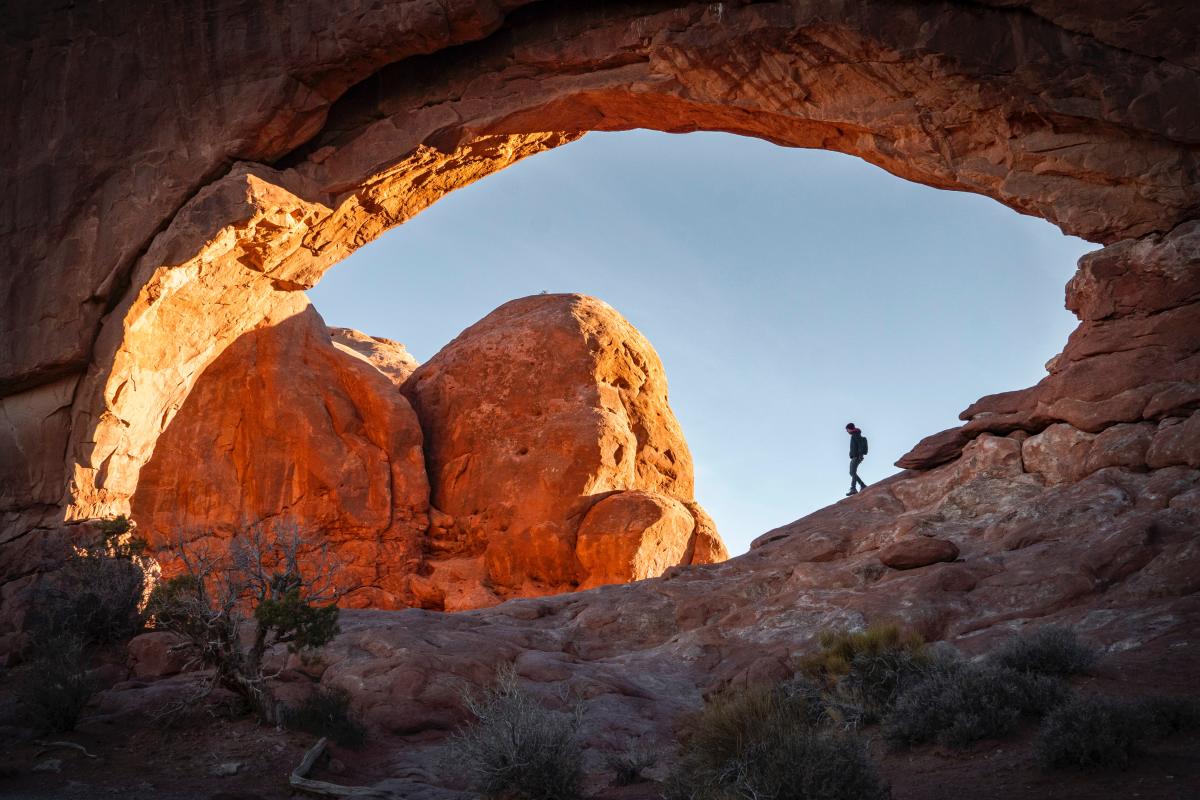 The Windows | Arches National Park
Canyonlands National Park: Benefiting From Spillover and Space
Canyonlands saw stable visitation in 2025, benefiting from its size, multiple districts, and proximity to Moab.
As Arches became more regulated, many travelers:
-
Spent additional time in Canyonlands
-
Explored less-visited districts like Island in the Sky
-
Used Canyonlands as a way to escape peak congestion while still staying near Moab
Canyonlands’ scale and flexibility made it an attractive option for travelers looking to slow down without sacrificing scenery. It quietly absorbed visitors who wanted a deeper, more expansive park experience.
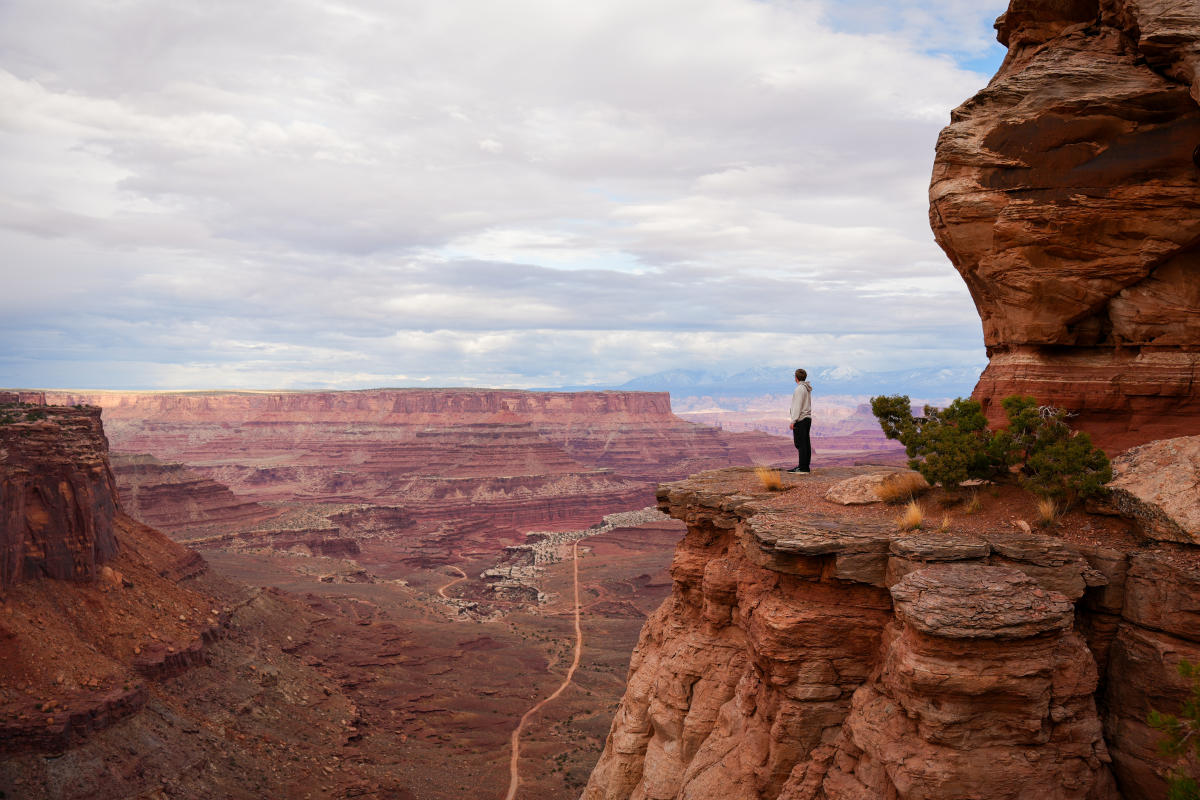 Shafer Trail Overlook | Canyonlands
Capitol Reef National Park: A Dip Driven by Itinerary Choices
Capitol Reef was the one Utah national park that experienced a noticeable dip in visitation in 2025.
This decline wasn’t driven by lack of interest or scenic value — Capitol Reef remains one of the most striking parks in the state — but by how travelers structured their trips.
Shorter trips, tighter schedules, and a preference for parks with well-known marquee landmarks led many visitors to skip Capitol Reef in favor of Zion, Bryce, or Moab-area parks.
Contributing factors included:
-
Its more remote location
-
Fewer visitor services
-
The perception that it requires more time to fully appreciate
In 2025, Capitol Reef became a park most often visited by travelers with longer itineraries or guided plans — not casual or first-time visitors trying to see everything quickly.
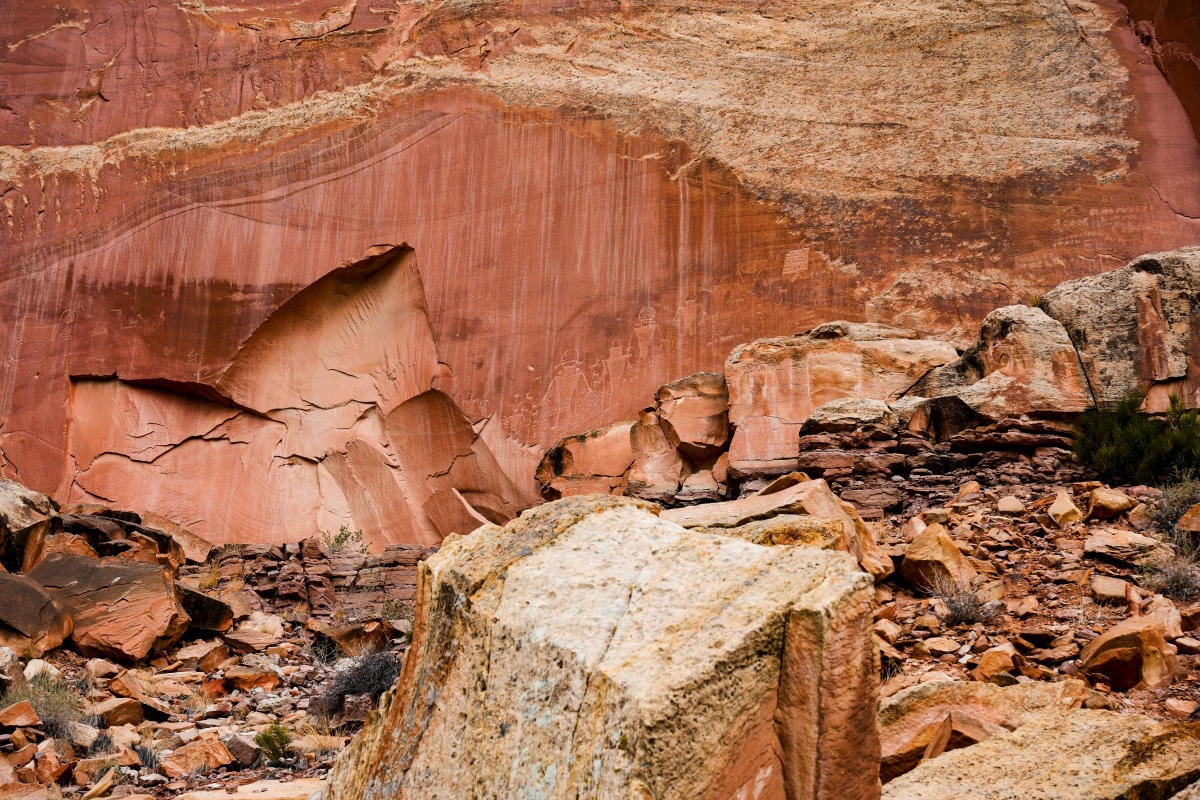 Petroglyph Panel | Capitol Reef National Park
What This Means Going Into 2026
When you step back and look at the full picture, the story of Utah’s national parks in 2025 becomes clear. These parks aren’t losing relevance or appeal — they’re evolving. Interest remains strong, but the way visitors move through the parks, access them, and experience them has fundamentally changed.
Parks that combined strong demand with structured access, transportation systems, and visitor management performed well throughout the year. Zion, Bryce Canyon, Arches, and Canyonlands all benefited from systems that helped distribute crowds more evenly and reduce pressure during peak times. In contrast, parks that required more time, more driving, or more independent planning were more likely to be skipped by travelers working within tighter schedules.
This shift isn’t about fewer people wanting to visit Utah’s national parks. It’s about how much planning is now required to visit them well.
As we move into 2026, that distinction becomes even more important. Visitor management strategies are here to stay. Shuttle systems, timed entry, vehicle restrictions, and congestion controls will continue shaping the guest experience — especially at Utah’s most popular parks. Travelers who arrive without a plan may still get in, but they’re far more likely to spend valuable time navigating logistics instead of enjoying the landscape.
At the same time, these systems open the door for a better overall experience when trips are planned intentionally. When transportation, timing, and access are handled correctly, parks can welcome high numbers of visitors without sacrificing what makes them special. The difference lies in preparation and execution.
This is where guided, small-group travel moves from being a convenience to a clear advantage. In 2026, the most rewarding national park experiences won’t come from squeezing more into a day — they’ll come from moving through each park smoothly, at the right times, and with an understanding of how the system works.
For travelers booking with Southwest Adventure Tours, this means less guesswork and more time immersed in the experience. Instead of worrying about parking, shuttle lines, entry windows, or road restrictions, guests can focus on the scenery, the stories, and the moments that make Utah’s national parks unforgettable.
The trends of 2025 didn’t signal a slowdown. They signaled a smarter, more structured future for national park travel — one where thoughtful planning doesn’t limit the experience, but elevates it.
And in 2026, that difference matters more than ever.