



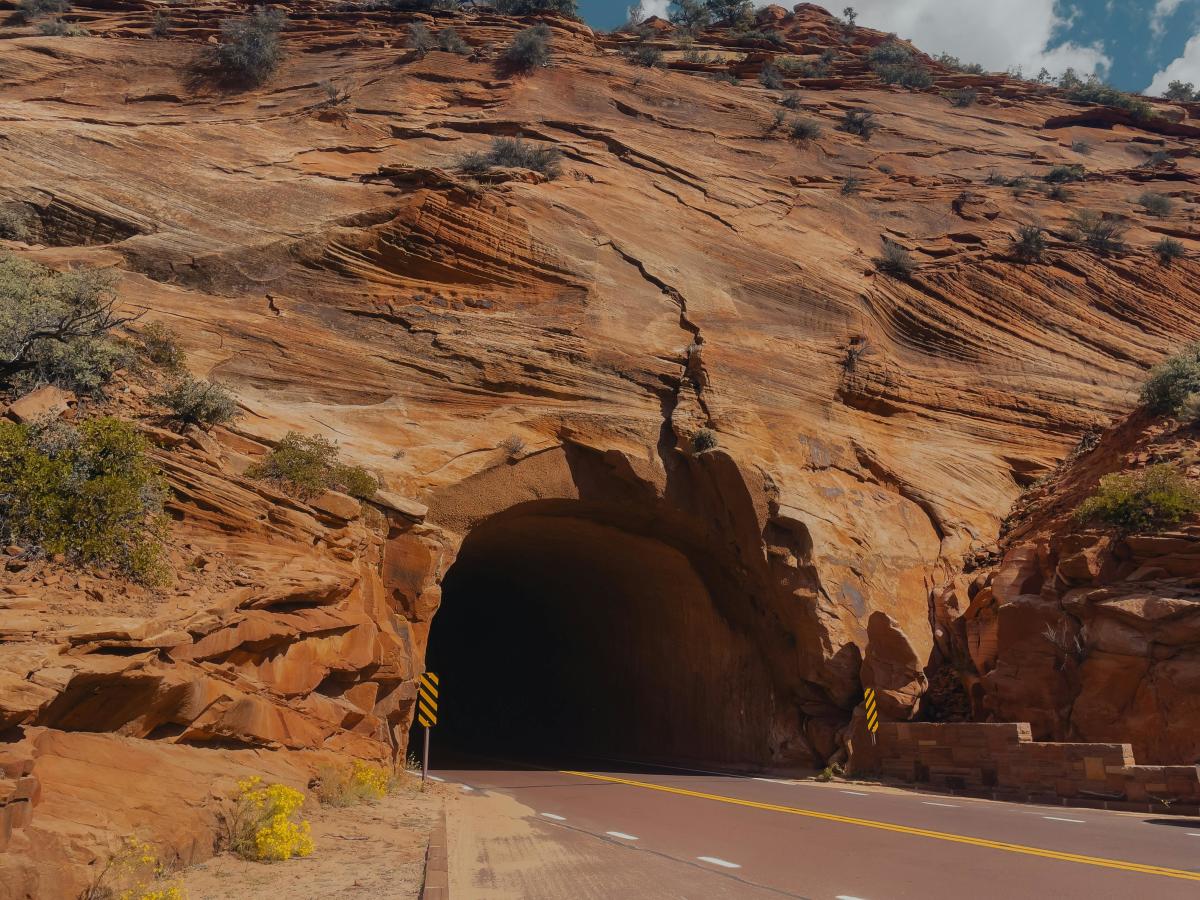
Zion National Park has never been an easy place for large vehicles, and anyone who’s driven the Zion–Mt. Carmel Highway knows why. The road is narrow, the turns are tight, and the tunnel was carved into sandstone nearly a century ago — long before modern tour buses and oversized RVs were part of the equation.
Starting June 7, 2026, the park is officially enforcing new size and weight limits for vehicles traveling that route. Anything too long, too tall, too wide, or too heavy simply won’t be allowed through the tunnel anymore. It’s a change that’s been coming for a long time, and it’s already forcing tour operators to rethink how they move guests through Zion.
Park officials have been clear about the reasoning. As Zion transportation manager Lisa White explained in a recent KUER article, “I don’t care how good of a driver you are, if your vehicle physically does not fit on the roadway, you’re not going to stay in your own lane.” The road can’t be widened, the tunnel can’t be rebuilt, and the escort system that once allowed oversized vehicles through caused long delays and safety concerns. From the park’s perspective, restrictions were inevitable.
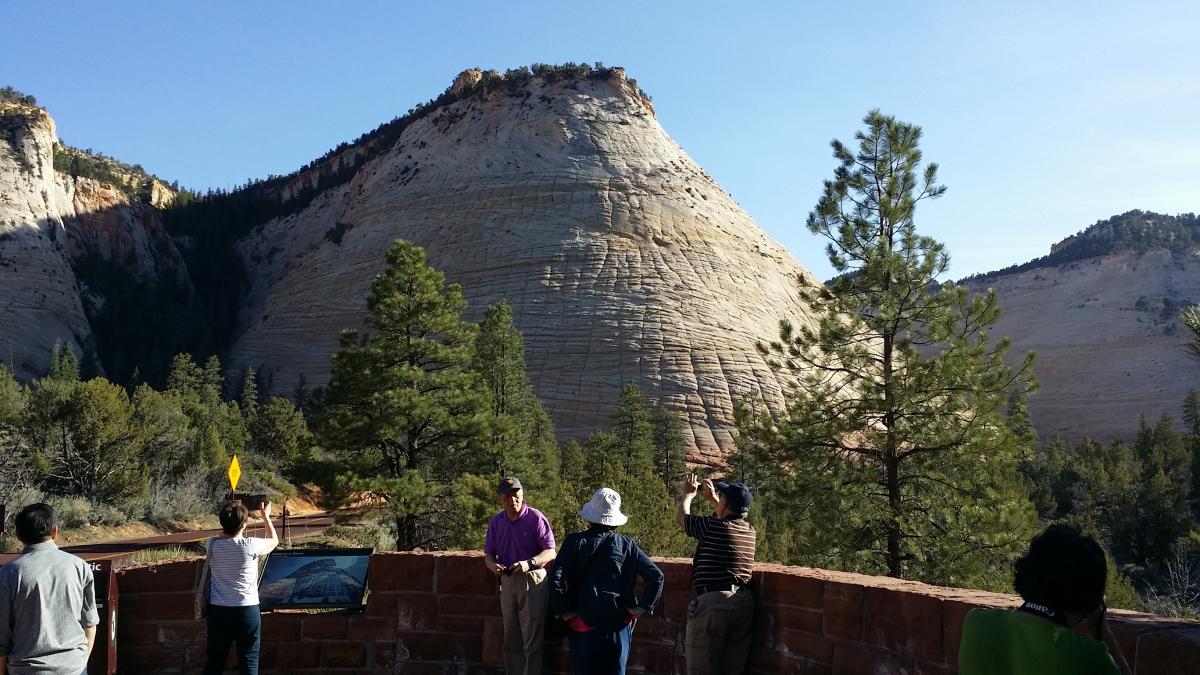
For tour operators, though, the change creates a very real logistical challenge. Zion isn’t a side stop — it’s often one of the main reasons guests book a Southwest itinerary in the first place. Removing it or rerouting completely around the park isn’t realistic.
That’s something Shawn Horman, Director of Group Sales at Southwest Adventure Tours, addressed directly in a recent KUER interview on the new Zion restrictions. “Our biggest issue may be: Do we have enough vehicles to handle the volume?” he said. When large buses are no longer permitted through the tunnel, the question isn’t whether guests still want to see Zion — it’s how to get them there without blowing up the schedule.
The timing hasn’t helped either. “To have something that starts mid-year is so difficult… so, it threw a lot of companies off,” Shawn noted. Tour routes are often planned a year or more in advance, and changing a major access rule halfway through a season forces operators to scramble.
That’s exactly why we built a solution instead of waiting to see how things shook out.
Our Solution: Transfer the Bus - Not the Experience
At Southwest Adventure Tours, we already operate compliant, smaller vehicles inside Zion every day. Rather than forcing oversized buses into long detours or cutting Zion from itineraries altogether, we coordinate seamless transfers that allow groups to move through the restricted section without losing the experience.
The process is straightforward. Large coaches remain outside the restricted portion of the highway. We meet groups at a designated transfer point, move guests into our compliant shuttle vehicles, and take them through the tunnel and along the scenic route legally and safely. On the far side, guests rejoin their original coach and continue on with their trip.
From the guest’s perspective, it feels like a natural part of the tour day. From the operator’s perspective, it solves the biggest problem created by the new rules — access.
And there’s an unexpected upside. Smaller vehicles often make for a better ride through Zion. Guests have clearer views, guides can point out landmarks more easily, and stops feel less rushed. It’s still the same Zion experience — just without the stress of wondering whether a bus will be turned around at the entrance.
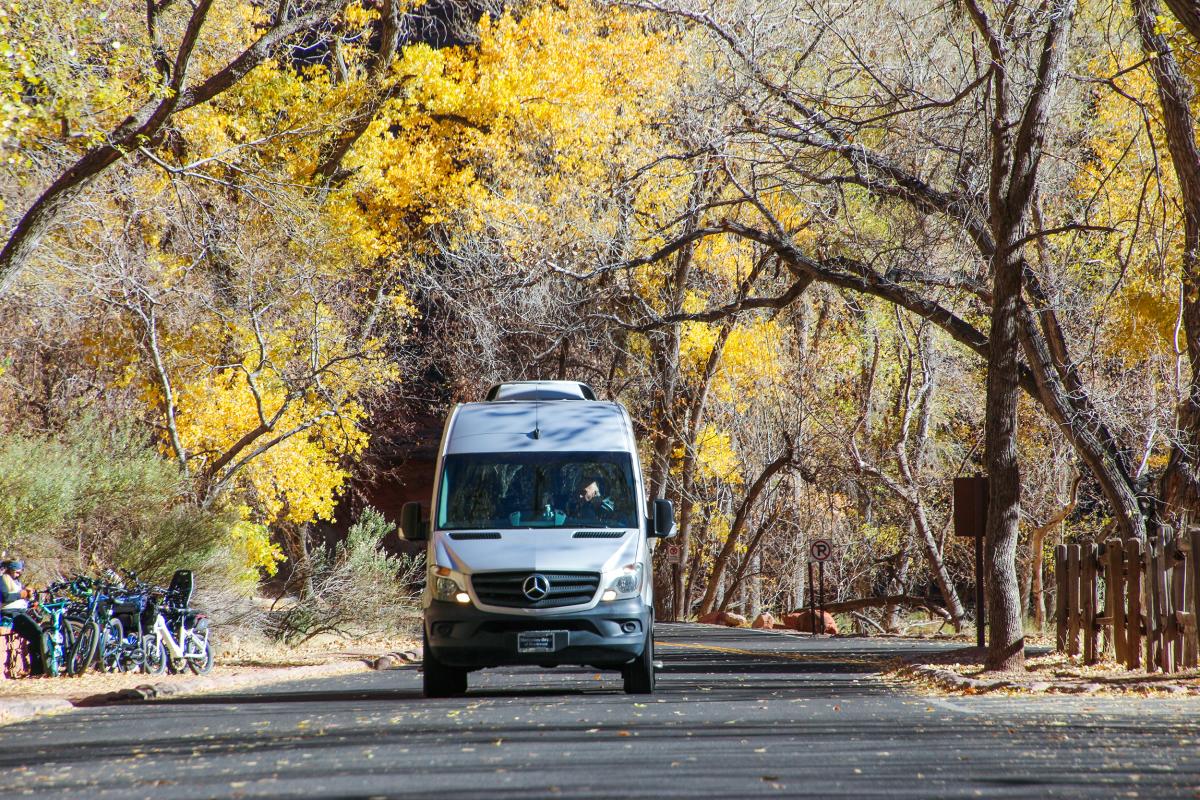
Shawn has already seen operators respond positively to the approach. “So yeah, we’re seeing a positive response,” he shared in the article, as companies adjust their routes and plan ahead instead of waiting until the restrictions are in full effect.
The reality is that Zion’s new vehicle limits aren’t temporary, and they aren’t going away. But they don’t have to derail group travel through southern Utah either. With the right planning and the right transportation partner, tours can continue running smoothly — and guests can keep experiencing one of the most iconic national parks in the country.
Zion is still very much open to group travel. You just need a smarter way through it.